
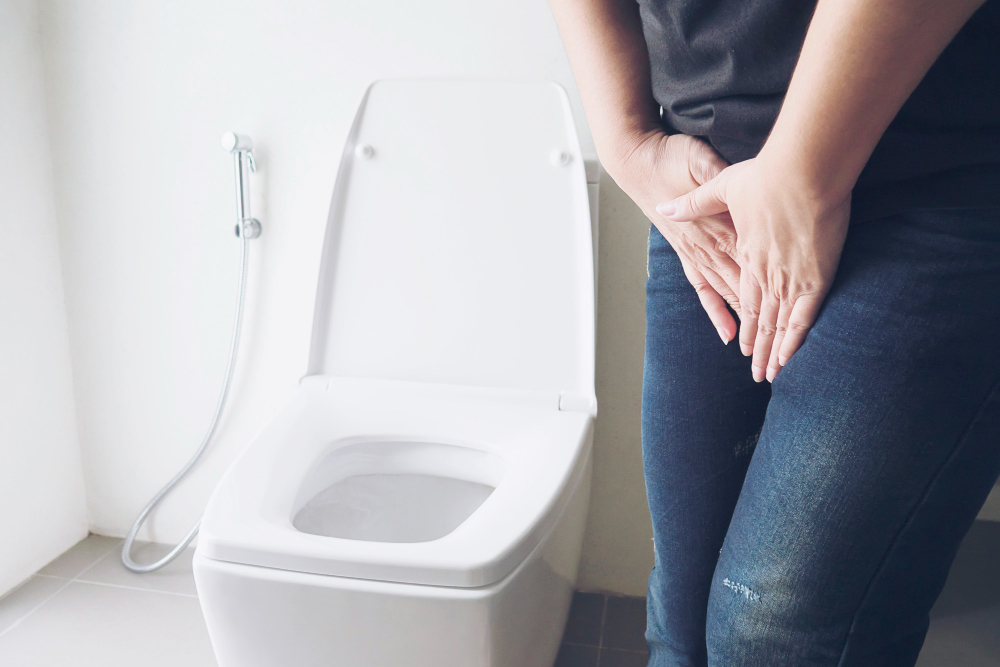
What Are Frequent Urination and Urinary Urgency?
Frequent urination and urinary urgency are common issues for many people. Frequent urination means you need to pee more often than usual. Urinary urgency is a sudden, strong need to pee right away. Both can affect your daily life. In the US, these symptoms are seen in both men and women. Sometimes, they are harmless. However, they can also signal a health problem. Understanding the causes and signs helps you know when to seek help.
Common Causes of Frequent Urination and Urgency
There are many reasons why you might need to pee often or feel a sudden urge. Some causes are simple, while others need medical care. Here are some common causes:
Sometimes, stress or anxiety can also play a role. But, not all causes are serious. Still, knowing the reason helps you manage your health better.
When Is It Harmless?
Often, frequent urination and urgency are not a sign of a serious problem. For example, if you drink a lot of water or coffee, you may need to pee more. Also, cold weather can make you urinate more often. Sometimes, mild symptoms go away on their own. If you have no pain, fever, or blood in your urine, it may be harmless. However, if symptoms last more than a few days, you should watch for other signs.
Warning Signs: When to See a Doctor
Although many cases are mild, some symptoms mean you should get checked. Watch for these warning signs:
If you notice any of these, see a doctor soon. Early care can prevent bigger problems. For men, prostate issues may need special attention. For women, repeated infections may need further tests. If you are unsure, it is always safer to ask a healthcare provider.
Diagnosis and What to Expect
If you visit a doctor for frequent urination or urgency, they will ask about your symptoms. They may do a physical exam and ask about your health history. Often, you will need a urine test to check for infection or blood. Sometimes, blood tests or an ultrasound are needed. In some cases, you may see a urologist for more tests. The doctor will explain the results and suggest the best treatment. Most tests are simple and quick.
Prevention and Lifestyle Tips
There are steps you can take to keep your bladder healthy. Try these bladder health tips:
With these steps, you may reduce your risk of bladder problems. However, if symptoms continue, do not ignore them.
Conclusion and Next Steps
Frequent urination and urinary urgency can be bothersome, but they are often easy to manage. Sometimes, they are harmless. Other times, they may signal a health issue. If you notice warning signs or if symptoms last, see a doctor. Early care can help you feel better and prevent problems. If you experience persistent symptoms, consult a urologist for personalized advice.